The Spiritual Meaning of Yoga Poses
Yoga isn’t just about flexibility or strength—it’s a deeply spiritual practice that connects the body, mind, and soul. Each pose (or asana) carries symbolic meaning, representing different aspects of life, energy, and consciousness. Whether you’re a seasoned yogi or just starting, understanding the spiritual significance behind these poses can deepen your practice.
Let’s explore some common yoga poses and their hidden meanings.
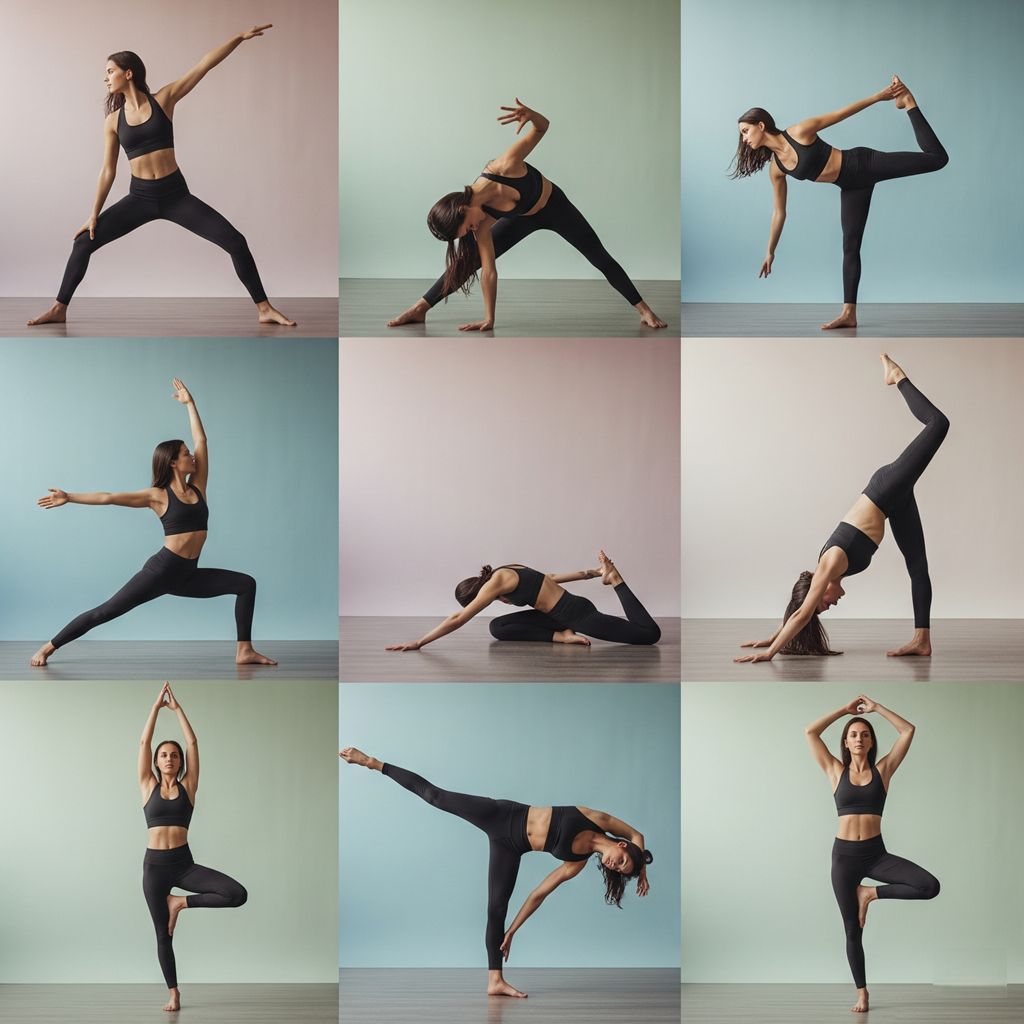
1. Mountain Pose (Tadasana) – Standing Strong in Your Truth
At first glance, Tadasana might seem like “just standing,” but it’s so much more. This foundational pose teaches presence, stability, and alignment—both physically and spiritually.
- Physical Benefits: Improves posture, strengthens legs, and increases awareness of body alignment.
- Spiritual Meaning: Represents grounding and connection to the Earth. Like a mountain, you stand firm, unwavering in your truth. It’s a reminder to root yourself in the present moment.
How to Practice Mindfully:
- Feel your feet pressing into the ground, drawing energy from the Earth.
- Lengthen your spine, imagining a string pulling you upward toward the sky.
- Breathe deeply, embodying stillness and strength.
2. Downward-Facing Dog (Adho Mukha Svanasana) – Surrendering and Releasing
This iconic pose is more than a stretch—it’s a full-body reset.
- Physical Benefits: Stretches hamstrings, strengthens arms, and relieves tension in the spine.
- Spiritual Meaning: Symbolizes surrender and letting go. With your heart higher than your head, you practice humility and release control.
How to Practice Mindfully:
- Press your palms firmly into the mat, grounding yourself.
- Let your head hang freely, releasing mental burdens.
- Visualize negative energy flowing out through your fingertips and heels.
3. Warrior II (Virabhadrasana II) – Courage and Inner Strength
The Warrior series embodies the spirit of a fighter—not in aggression, but in resilience.
- Physical Benefits: Strengthens legs, opens hips, and improves balance.
- Spiritual Meaning: Represents courage, focus, and determination. You stand strong, facing challenges with an open heart.
How to Practice Mindfully:
- Gaze over your front hand, symbolizing clarity of vision.
- Feel the strength in your legs, like roots anchoring you in power.
- Breathe steadily, embodying the warrior’s calm confidence.
4. Child’s Pose (Balasana) – Returning to Innocence
A resting pose with deep emotional significance.
- Physical Benefits: Relieves back tension, gently stretches hips, and calms the nervous system.
- Spiritual Meaning: Symbolizes surrender, introspection, and returning to a state of innocence. It’s a moment of self-nurturing.
How to Practice Mindfully:
- Let your forehead rest on the mat, releasing worries.
- Breathe into your back, feeling a sense of safety and comfort.
- Allow yourself to be small, trusting in the universe’s support.
5. Tree Pose (Vrksasana) – Balance and Growth
A balancing act—literally and metaphorically.
- Physical Benefits: Improves balance, strengthens ankles, and enhances focus.
- Spiritual Meaning: Represents growth, stability, and connection. Like a tree, you grow upward while staying rooted.
How to Practice Mindfully:
- Fix your gaze on a steady point (drishti) to maintain focus.
- Feel your standing leg rooted like a tree trunk.
- Extend your arms like branches reaching for wisdom.
6. Corpse Pose (Savasana) – Complete Surrender
The most challenging pose for many—because it requires doing nothing.
- Physical Benefits: Relaxes the entire body, reduces stress, and lowers blood pressure.
- Spiritual Meaning: Symbolizes death of the ego and total surrender. It’s a practice of trust and release.
How to Practice Mindfully:
- Let go of all muscle tension, as if melting into the earth.
- Observe your breath without controlling it.
- Surrender thoughts, allowing stillness to fill you.
Yoga Pose Spiritual Meanings at a Glance
| Pose | Spiritual Meaning | Key Lesson |
|---|---|---|
| Mountain (Tadasana) | Grounding, stability | Stand firm in your truth |
| Downward Dog | Surrender, release | Let go of control |
| Warrior II | Courage, resilience | Face challenges with strength |
| Child’s Pose | Innocence, self-nurturing | Return to simplicity |
| Tree Pose | Growth, connection | Balance roots and expansion |
| Corpse Pose | Surrender, ego death | Trust in the universe |
Frequently Asked Questions (FAQs)
1. Can yoga poses really affect my spiritual growth?
Absolutely! Yoga is designed to unite body, mind, and spirit. When practiced with intention, poses can help release emotional blockages, increase self-awareness, and deepen your connection to something greater.
2. Do I need to be religious to benefit spiritually from yoga?
Not at all. Yoga’s spiritual aspect is about inner awareness, not any specific religion. Whether you’re atheist, spiritual, or religious, yoga can enhance mindfulness and self-discovery.
3. Why is breathing so important in yoga?
Breath (pranayama) is life force energy. Conscious breathing helps calm the mind, move energy (prana), and deepen the meditative aspect of poses.
4. How long should I hold a pose for spiritual benefits?
There’s no strict rule—listen to your body. Holding a pose for 5-10 deep breaths allows you to settle into its energy. Longer holds (1-3 minutes) deepen introspection.
5. Can I create my own yoga sequence based on spiritual needs?
Yes! Intuitive yoga is powerful. If you need grounding, focus on Tadasana and seated poses. For emotional release, incorporate heart openers like Camel Pose. Follow what feels right.
Final Thoughts
Yoga is a journey—one that goes far beyond the mat. Each pose carries wisdom, inviting you to explore deeper layers of yourself. Next time you practice, move with intention, breathe with awareness, and let the spiritual meaning of each asana guide you toward inner peace.
Namaste. 🙏