15 Spiritual Meanings of the Hamsa Hand
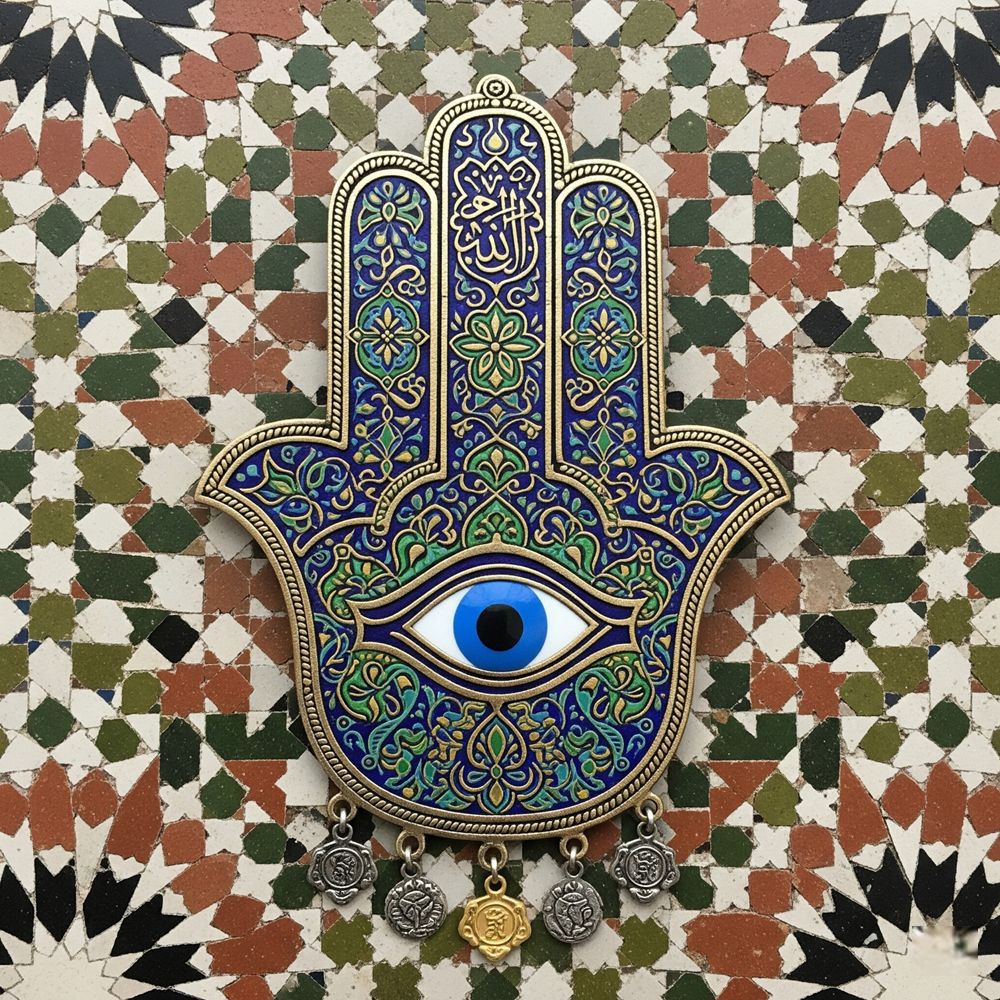
The Hamsa hand, a striking symbol shaped like an open hand with an eye in its center, carries deep spiritual significance across cultures and religions. Often seen dangling from necklaces, adorning walls, or etched into sacred spaces, this ancient emblem resonates with those seeking protection, peace, and connection to the divine. Its universal appeal stems from its rich history and layered meanings, which weave together threads of faith, mysticism, and human hope.
Below, I’ll explore 15 spiritual meanings of the Hamsa hand, diving into its symbolism with a warm, human touch. Whether you’re drawn to its beauty or curious about its power, there’s something profound to uncover.
A Brief History of the Hamsa Hand
Before we dive into its spiritual meanings, let’s set the stage with a quick look at the Hamsa’s origins. The word “Hamsa” comes from the Arabic word for “five,” referring to the five fingers of the hand. This symbol appears in Jewish, Islamic, and Christian traditions, as well as in ancient cultures like those of Mesopotamia and Carthage.
Often called the “Hand of Fatima” in Islamic tradition, the “Hand of Miriam” in Jewish contexts, or the “Hand of Mary” in Christian settings, the Hamsa transcends religious boundaries. Its core purpose? To ward off evil, bring blessings, and foster spiritual harmony.
Now, let’s unpack the 15 spiritual meanings that make this symbol so enduring.
1. Protection Against the Evil Eye
The Hamsa hand is most famous for shielding against the “evil eye”—a malevolent glare believed to cause harm or misfortune. The eye at the center of the Hamsa acts like a spiritual mirror, reflecting negative energy back to its source. Wearing or displaying a Hamsa is like carrying a cosmic shield, keeping envy and ill intentions at bay.
2. A Beacon of Divine Blessing
The Hamsa is often seen as a conduit for divine favor. In many traditions, the open hand symbolizes God’s generosity, showering blessings like health, wealth, and happiness. People hang Hamsa amulets in homes or wear them as jewelry to invite these gifts into their lives.
3. Symbol of Strength and Resilience
The hand, strong and outstretched, represents inner fortitude. It’s a reminder to stand firm in the face of challenges, drawing on spiritual strength to overcome obstacles. For many, the Hamsa is a talisman of courage, urging you to keep going when life feels heavy.
4. Unity Across Faiths
The Hamsa’s presence in Judaism, Islam, and Christianity makes it a powerful symbol of interfaith unity. It reminds us that, despite different beliefs, we share a common desire for protection and connection to something greater. It’s a bridge between cultures, fostering peace and understanding.
5. Connection to the Divine Feminine
In Islamic tradition, the Hamsa is linked to Fatima, the daughter of Prophet Muhammad, and in Jewish tradition, to Miriam, the sister of Moses. These associations tie the Hamsa to the divine feminine—nurturing, compassionate, and fiercely protective. It embodies the strength and love of these revered figures.
6. Balance of Energies
The Hamsa often symbolizes the balance between opposing forces—yin and yang, masculine and feminine, or giving and receiving. Its symmetrical design reflects harmony, encouraging us to find equilibrium in our spiritual and emotional lives.
7. A Call to Trust Intuition
The eye in the Hamsa’s palm is sometimes seen as a symbol of inner vision. It urges you to trust your gut, listen to your inner wisdom, and see beyond the surface. In a world full of noise, the Hamsa whispers, “Look within.”
8. Fertility and Creation
In some cultures, the Hamsa is associated with fertility and the creative life force. The open hand signifies openness to new beginnings, whether that’s a new life, a creative project, or a fresh chapter. It’s a symbol of hope for growth and abundance.
9. Protection for Travelers
Historically, the Hamsa was carried by travelers as a charm for safe journeys. Its protective energy is believed to guard against accidents, theft, or harm on the road. Even today, you might spot a Hamsa dangling from a rearview mirror, blessing the path ahead.
10. Healing and Restoration
The Hamsa is often linked to physical and emotional healing. Its presence in a home or worn on the body is thought to promote well-being, soothing the spirit and mending the heart. It’s like a gentle hand guiding you toward wholeness.
11. A Reminder of Gratitude
The open hand of the Hamsa can symbolize gratitude—acknowledging the blessings already in your life. It encourages a mindset of appreciation, reminding you to stay humble and thankful for both the big and small moments.
12. Warding Off Negative Energy
Beyond the evil eye, the Hamsa is a general shield against negativity. Whether it’s toxic relationships, self-doubt, or external chaos, the Hamsa acts as a spiritual filter, helping you maintain a positive, grounded energy.
13. Symbol of Good Fortune
In many cultures, the Hamsa is a magnet for luck. Its upward-facing hand (common in some designs) is thought to attract prosperity and success. People often gift Hamsa amulets to wish loved ones a life filled with good fortune.
14. Spiritual Awakening
The Hamsa’s eye can represent the awakening of spiritual awareness. It invites you to see the world through a sacred lens, recognizing the divine in everyday moments. For those on a spiritual journey, the Hamsa is a gentle nudge toward enlightenment.
15. A Token of Love and Connection
Finally, the Hamsa embodies love—not just romantic, but the universal love that binds us all. It’s often given as a gift to express care and protection, strengthening bonds between friends, family, or partners. The Hamsa says, “I wish you well, always.”
Table: Hamsa Hand Across Cultures
| Culture/Religion | Name | Key Association | Primary Meaning |
|---|---|---|---|
| Islam | Hand of Fatima | Linked to Fatima, daughter of Muhammad | Protection, divine blessings |
| Judaism | Hand of Miriam | Connected to Miriam, sister of Moses | Strength, divine feminine |
| Christianity | Hand of Mary | Associated with the Virgin Mary | Compassion, protection |
| Ancient Mesopotamia | Hand of Ishtar | Tied to the goddess Ishtar | Fertility, divine power |
| General Mysticism | Hamsa | Universal symbol across spiritual practices | Balance, warding off evil, intuition |
Why the Hamsa Resonates Today
In our fast-paced, often chaotic world, the Hamsa hand feels like a grounding force. Its simplicity—a hand, an eye, a story—speaks to something primal yet timeless. People are drawn to it not just for its beauty but for the comfort it offers.
Whether you’re navigating personal struggles, seeking spiritual growth, or simply wanting a reminder of hope, the Hamsa feels like a friend. It’s versatile, too—you’ll find it in minimalist jewelry, vibrant wall art, or even tattooed on skin, each iteration carrying a piece of its sacred meaning.
How to Incorporate the Hamsa Into Your Life
If the Hamsa’s meanings resonate with you, there are countless ways to weave it into your daily life. Wear it as a necklace or bracelet to carry its protective energy with you. Hang a Hamsa in your home, perhaps near the entrance, to bless your space and welcome positive vibes.
You can even meditate with a Hamsa image, focusing on its eye to tap into your intuition or reflect on gratitude. The key is intention—let the Hamsa be a conscious reminder of the qualities you want to cultivate, whether that’s strength, peace, or love.
A Personal Reflection on the Hamsa
I’ve always been struck by how such a simple design can hold so much meaning. The Hamsa feels like a quiet companion, offering reassurance without demanding attention. A friend once gave me a small Hamsa charm during a tough time, and though it was just a tiny piece of metal, it felt like a hug from the universe.
That’s the magic of the Hamsa—it’s not just a symbol; it’s a vessel for hope, connection, and resilience. Whether you’re deeply spiritual or just curious, the Hamsa has a way of speaking to the heart.
Final Thoughts
The Hamsa hand is more than a pretty symbol—it’s a tapestry of meanings, woven from centuries of faith, culture, and human experience. From warding off evil to inviting blessings, its 15 spiritual meanings offer something for everyone. Whether you see it as a shield, a beacon of balance, or a token of love, the Hamsa reminds us that we’re all connected, seeking protection and purpose in our own way.
So, next time you spot a Hamsa, take a moment to feel its energy—it might just be the nudge you need to keep moving forward.
5 FAQs About the Spiritual Meaning of the Hamsa Hand
1. What is the primary spiritual purpose of the Hamsa hand?
The Hamsa hand is primarily used as a protective symbol, warding off the evil eye and negative energies. It also invites blessings, balance, and spiritual connection, serving as a talisman for strength and divine favor across various cultures.
2. Can anyone use or wear a Hamsa hand, regardless of their religion?
Yes, the Hamsa is a universal symbol that transcends religious boundaries. While rooted in Jewish, Islamic, and Christian traditions, its meanings—protection, unity, and blessings—resonate with people of all backgrounds, making it accessible to anyone.
3. How can I use the Hamsa hand in my daily life for spiritual benefits?
You can wear the Hamsa as jewelry, such as a necklace or bracelet, to carry its protective energy. Alternatively, hang a Hamsa in your home, especially near entrances, to bless the space. Meditating with a Hamsa image can also help you focus on intuition or gratitude.
4. Does the direction of the Hamsa hand (up or down) change its meaning?
Yes, the direction can influence its interpretation. An upward-facing Hamsa is often associated with attracting good fortune and blessings, while a downward-facing Hamsa emphasizes protection against negative energies, like the evil eye.
5. Is the Hamsa hand only a religious symbol, or does it have cultural significance too?
The Hamsa is both a religious and cultural symbol. It holds spiritual significance in Judaism, Islam, and Christianity, but its universal themes of protection, balance, and unity make it a cultural emblem embraced in art, jewelry, and decor worldwide.